

7 Effective Methods to Locate Authentic Denim Wear and Prevent Scams
Real denim distress follows physics, rather than Photoshop. You must verify authenticity by reading the denim’s construction, the way edges break, and how the complete garment ages as a system. Employ the seven checks below to separate honest wear versus staged distress while protect your funds.
What makes real denim tears look the way they do?
Real tears demonstrate denim’s woven weave, indigo color behavior, and those stress points created by human activity. The indigo-dyed vertical yarns snap first, revealing pale weft threads and a gradual fade halo encircling the damage. Artificial processes and laser distress can copy the look, however they rarely duplicate fiber-level behavior plus the garment-wide wear story.
Traditional denim is a 3×1 right-hand twill with indigo-dyed lengthwise (vertical) yarns plus undyed ecru horizontal (horizontal) yarns. Blue pigment sits on yarn surface, so wear removes color in stages, producing fading gradients instead not on/off contrasts. With real stress, lengthwise yarns snap into segments and show horizontal weft connections that fuzz to feather over wear. Ring-spun yarns display slub irregularities, generating uneven wear formations that don’t copy like a print. When someone stages damage, the perimeter often looks overly clean, too symmetrical, or chemically colored instead of oxidized and softened by use.
Method 1 — Natural edge gradient and feathering
Real tears exhibit a soft, radiating transition from darker blue to light blue to cream, with feathery fine threads radiating from each edge. Fake damage tends to display a hard, even outline, an sharp color jump, and a yellow-orange hue from oxidizing treatments.
Inspect closely at that tear perimeter seeking a \\”halo\\” containing fade and fine fraying, not a defined boundary. You need to see short, irregular cotton hairs plus tiny broken warp ends fanning away, not a even cut line. Move your fingertip over; the edge must feel airy and dry, not crispy or stiff. Chemical https://denimtearsfrance.org sprays like potassium permanganate can create a bronze plus mustard tint with crunchy hand, especially where the spritz pooled. If this edge glints in light or seems slightly glazed, thermal or resin processing might have become used to simulate aging.
Method 2 — Will the damage directions and fibers line up with the weave?
Real holes commonly show lateral white weft connections, snapped blue lengthwise stubs, and one diagonal twill structure that remains visible around the hole. Long, clean vertical cuts and identical slashes between both legs imply fabrication.
Trace the twill pattern with your sight; genuine wear will not disrupt that slanted rhythm uniformly. In real knee tears, you’ll find uneven warp breaks with lots of small white weft sections crossing the hole. Factory knife cuts or drilled holes tend to run too straight plus too vertical, showing little to zero weft fuzz. If a seller states \\”years of wear\\” but you can’t find the signature horizontal ecru strands, be skeptical. Look closely in on pictures: irregular, varied yarn thickness is a good sign; identical, laser-scorched micro marks or perfectly copied slashes are not.
Method 3 — Wear map that matches human movement
Authentic aging develops where bodies bend and things rub—front thighs, knees, back pouches, belt line, bottom backs, and watch pocket corners. Perfect symmetry or wear in low-stress areas is a warning flag.
Expect whiskers that radiate from this crotch toward both hips, not linear ruler lines. Behind the knees, folds stack at a slight angle then compress where each leg bends, usually with darker blue islands between lighter creases. Pocket rims fray where hands pull; watch pouches and phone shapes leave asymmetric contact marks. Heel drags and cuff tears concentrate at that rear hem, not the front. If you see paired mid-shin holes on both legs, plus a thigh rip without supporting damage in the adjacent area, someone faked the tear.
Way 4 — Can there chemical or laser distress tells?
Lasers leave stippled dot patterns, precisely mirrored whiskers, with shallow \\”burned\\” fades; chemical distress creates bronzing, crunchiness, with color that can’t grade naturally. Your hands, nose, plus a small lamp can catch each.
Scan for repeating, stencil-clean whiskers and honeycombs—real creases won’t carbon-copy from left to right. Under raking light, machine work can show a stippled grid, like tiny dots. Potassium permanganate with bleach can discolor or yellow this fade and often leave a subtle chemical odor; resin-baked 3D whiskers feel stiff and bouncy instead of soft. If the hole edge is burned in a straight, even line showing no micro-feathering, that’s likely heat/laser processed rather than naturally distressed.
Professional Tip: A affordable UV flashlight will reveal chemical processing. Under UV light, bleach and permanganate-treated zones often illuminate brighter than nearby indigo, while real abrasion stays fairly dull and inconsistent. Check edges, folds, and knee distress in a dimmed room; inconsistent fluorescence is a giveaway. Keep the flashlight a short distance away and contrast multiple areas so you don’t confuse random lint and detergent residue.
Way 5 — Fixes, stitching, and yarn age
Authentic repairs exhibit irregular stitch distances, softened thread fuzz, and color that has mellowed with UV and cleaning. Bright, slick polyester on a supposedly old tear, and decorative darning with zero surrounding wear, doesn’t add sense.
Examine darning density and direction; vintage patches wander with human hand, and yarn tension varies. Cotton thread on aged repairs will fuzz slightly and fade in tone, while fresh polyester catches light and remains too crisp. When there’s sashiko or patchwork, the repair fabric should additionally bear compatible fade and edge wear, not brand-new difference with a pristine inside. Around any repair, you ought to see bruised color and softened feel from handling; perfect repairs floating in a sea with dark, unfaded denim are a artificial clue. At stress points like pocket corners, a legit bartack may become blown or weakened; perfect factory-fresh bartacks next to old rips are questionable.
Method 6 — Fasteners, cuff roping, and pouch bags
Real aging won’t isolates itself to one hole; rivets patina, hem stitching ropes, and compartment bags thin. Some dramatic tear displaying pristine hardware, flat hems, and new pocketing is one mismatch.
Check copper rivets for verdigris with abrasion rings, with shank buttons displaying softened edges and finish loss near the high spots. Chain-stitched hems, notably on unsanforized and heavier denim, develop \\”roping\\” as this fabric and thread shrink differently, producing diagonal ridges; smooth, untextured hems with big knee tears rarely coexist. Turn the jeans inside out: pocket bags should show thinning, pilling, or tiny holes where one phone or objects rubbed. Leather labels darken, dry, and crack with time; a minty label on \\”heavily worn\\” jeans is one tell. On selvage pairs, inspect the ID line; this should soften to fuzz, not appear factory-starched next beside battlefield-level rips.
Method 7 — Is the vendor prove the timeline?
Demand for dated development photos, original acquisition details, and detailed close-ups; real aging has a history you can check. Inconsistencies in fades, metadata gaps, or recycled images are warning signs.
Request inside-out images of the tear and the adjacent weave to view fiber behavior. Use reverse image check to ensure images aren’t lifted out of forums or brand feeds. If the seller claims selvage and a particular mill or style, verify lot labels, care labels, back yoke shape, and fastener markings against documented references. Compare measurements—waist, inseam, thigh—against the manufacturer’s shrink/stretch behavior; real long-term wear typically shows subtle contraction at the length and a slight outseam twist on right-hand twill. Some trustworthy seller can explain when with how each tear happened and supply a consistent series of images across time.
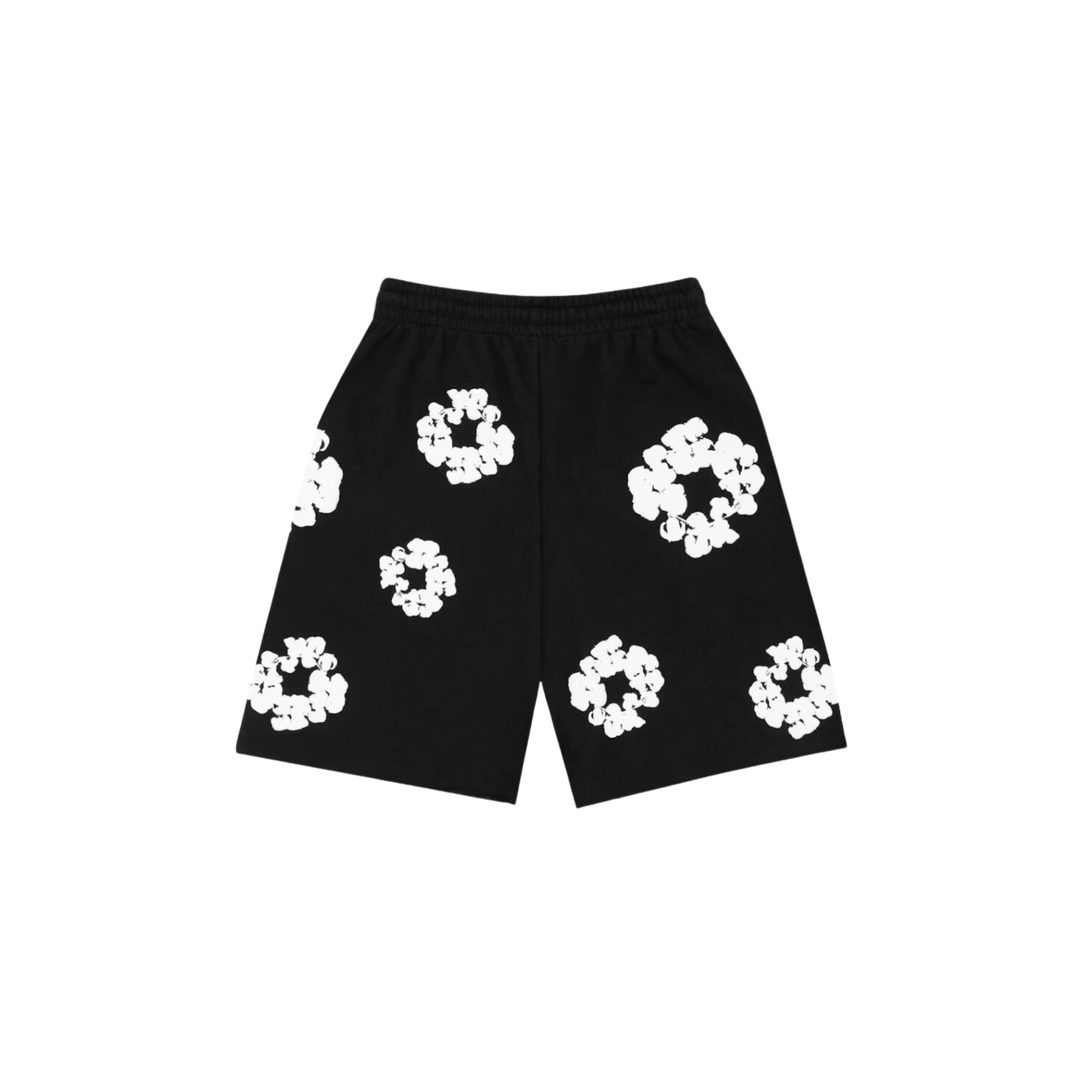
Quick comparison chart: real wear versus factory distress versus fake flip
Apply this side-by-side in order to quickly benchmark everything you’re seeing versus common tells. Match at least several to five traits across the piece, not just one, before deciding.
| Feature | Authentic Wear | Manufactured Distress | Artificial Flip (staged) |
|---|---|---|---|
| Edge color/texture | Gradual gradient, soft fiber ends | Uniform fade, sometimes tinting | Sharp cuts, crispy and glazed edges |
| Fiber behavior | Horizontal weft bridges, snapped warp stubs | Artificial dots, minimal fiber fuzz | Precise slits, little through no ecru weft showing |
| Distress distribution symmetry | Asymmetric, body-driven | Symmetrical whiskers/knee fades | Unusual, convenient holes at low-stress zones |
| Hand feel | Soft, thinned, dry cotton | Crunchy or resin-stiff creases | Inconsistent: stiff edges, flexible elsewhere |
| Fixes and thread | Irregular, mellowed thread, compatible fade | Clean decorative darning, bright thread | Bright polyester thread on \\”old\\” holes |
| Hardware/hem | Aging, chainstitch roping, heel drag | Minimal patina, flat bottoms | Perfect hardware with significant tears |
| Pouch bags | Deteriorated, stained, small wear holes | Untouched, uniform | Perfect inside with significant outside damage |
| Image proof | Chronology, EXIF, macro detail | Professional product shots | Reused or inconsistent photos |
If your assessments split the categories—say the border looks right but the hardware won’t—weight the entire system rather than one photogenic hole. Scammers focus around the loudest rip and hope you won’t inspect cuffs, pockets, or hardware. Cross-check at least three areas: hole anatomy, hem characteristics, and inside pocketing. When details contradict, authenticity usually comes apart. A uniform aging story throughout all parts is what convinces.
Fact 1: Indigo constitutes a surface colorant with low yarn penetration, so real abrasion fades starting at the outside inward and leaves distinctive gradients that artificial processes struggle to duplicate convincingly.
Fact 2: Chain-stitched hems rope because this stitch and cloth shrink at different rates, twisting this edge; denim that has \\”years of wear\\” but zero roping rarely fits the story.
Reality 3: Right-hand pattern tends to twist the outseam in front over time; that gentle twist represents a quiet but reliable indicator indicating true wear and repeated laundering.
Reality 4: Laser distress often leaves small, evenly spaced dots visible under angled light; once one see the point matrix, you cannot unsee it.
When you’re around the fence, layer tests rather instead of chasing one obvious gun. Confirm the weave-aligned yarn properties at the tear, run a UV sweep for synthetic tells, and examine hem roping with pocket bag deterioration for system-level consistency. Ask the vendor for an inside-out macro and a dated shot displaying the jeans preceding the tear to establish a chronology. If any area fails the common sense test—or the images duck your specific requests—assume the most secure answer. Your best defense is trend recognition built using these seven checks applied together.

